


Turn your passion for wine into a successful career with UC Davis Continuing and Professional Education's winemaking and viticulture programs. Designed for those passionate about the science of winemaking, these courses are taught by industry experts and faculty of the world-renowned UC Davis Department of Viticulture and Enology.
Our wine programs equip you with the practical knowledge to succeed in a variety of wine industry roles, including grape growing, wine production, vineyard or winery management, wine marketing and wine retail. You'll also benefit from hands-on experience, a scientific foundation, real-world application, convenient online and in-person learning, and networking with peers and instructors.
Explore our Programs



What is the Science of Studying Wine and Winemaking?
The science of studying wine and winemaking is called enology. It focuses on understanding how wine is made, from grape cultivation through to fermentation, aging, and tasting. By using chemistry, biology, and sensory analysis, oenologists study the chemical reactions and microbial activity that influence a wine's aroma, flavor, texture, and overall quality.
You can see this science in action in UC Davis's online Winemaking Certificate Program. The program includes courses like Introduction to Wine and Winemaking, Wine Production, Basic Chemistry for Winemakers, and more, all designed to connect theory with practice. By the end of the program, you'll be able to:
- Understand how different winemaking choices affect the taste and style of wine
- Apply a structured, science-based method to evaluate wine qualities
- Analyze wine stability and determine its effect on shelf life
- Understand the core mechanisms behind sensory perception in wine tasting
- Use fundamental principles in analytical chemistry and microbiology for winemaking
- Evaluate key factors involved in producing high-quality wine grapes
UC Davis: Pioneers in the Science of Winemaking
Since its founding in 1880, UC Davis's Department of Viticulture and Enology has played a central role in advancing California's wine industry through research and education, helping the state become one of the world's foremost wine and grape producing regions. A premier research and educational institution is a critical ingredient in the recipe for economic success, a role that UC Davis has fulfilled in supporting the state's grape and wine industries into becoming globally renowned and competitive multibillion dollar enterprises.
Today, the department is home to some of the best minds from the fields of chemistry, genetics, microbiology, chemical engineering, horticulture, biochemistry, plant physiology, and sensory science – all focused on the science of studying wine and winemaking. Together, they lead UC Davis's multidisciplinary research and teaching programs covering all major areas of viticulture and enology.
Hear from Our Faculty
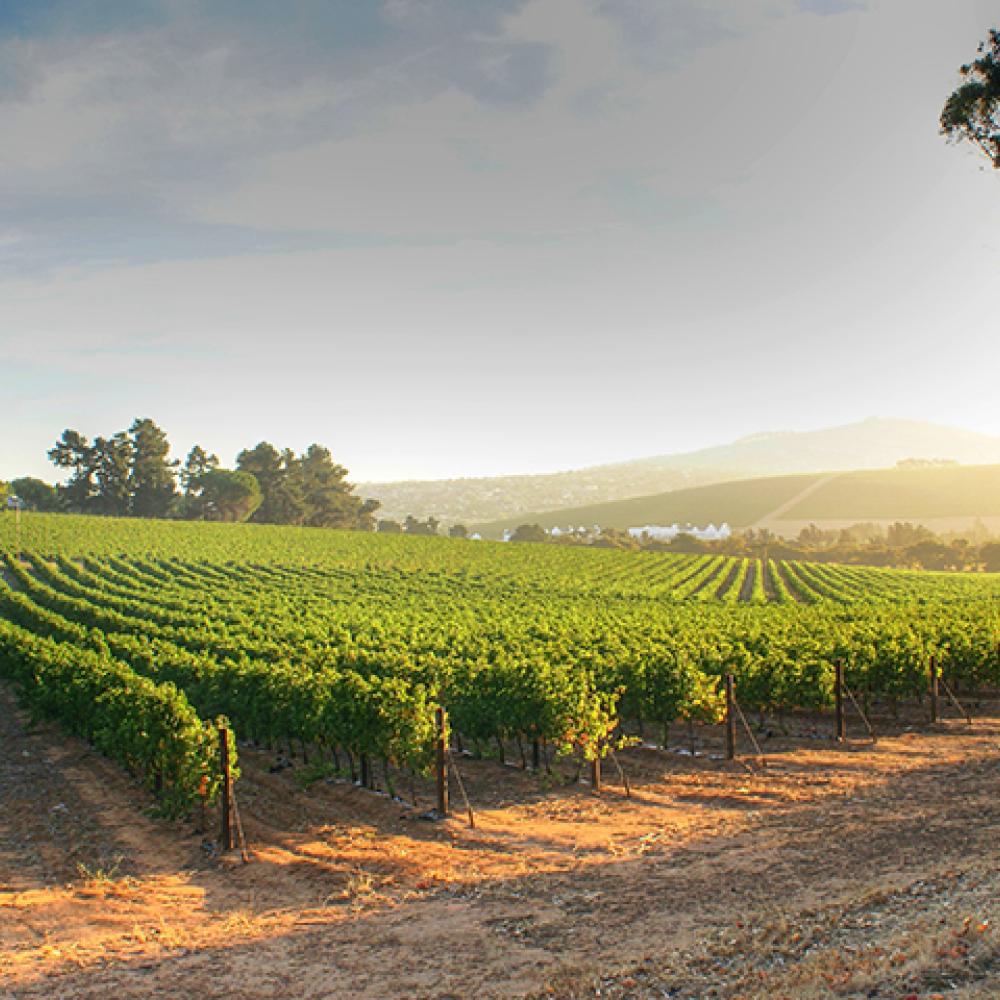
Great Wine Starts in the Vineyard
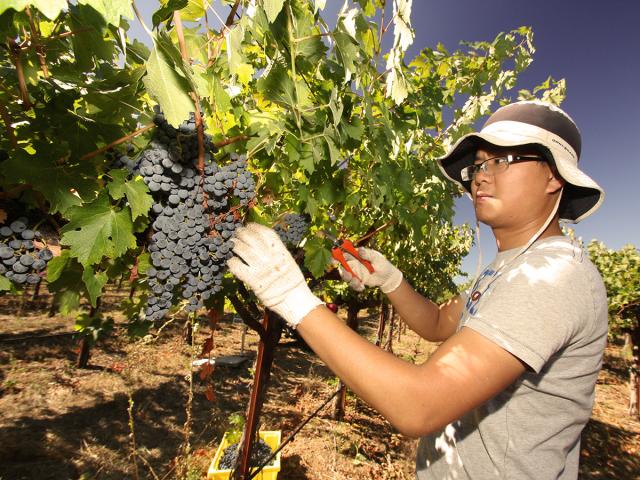
Viticulture Certificate Program instructor George Zhuang shares how early decisions in the field shape fermentation and wine quality.
From Boardroom to Barrel Room
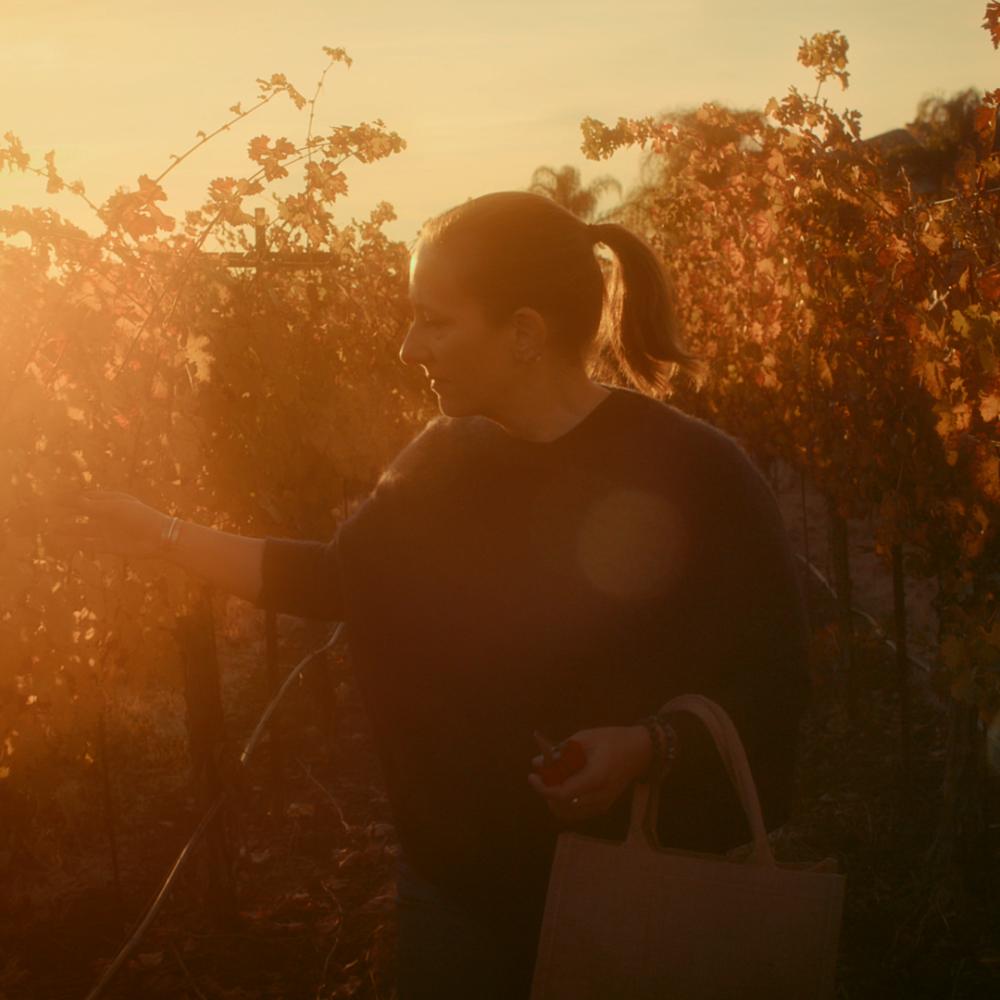
"The Winemaking Certificate was the science-based education that I longed for," says Mariachiara. "It enabled me to study online with a lot of interactions at a high level while still working."
UC Davis Winemaking FAQs
What are the winemaker education requirements needed for a successful career in the wine industry today?
Winemaking is both an art and a science. Winemakers must imagine the wine they want to create, making the most of the grapes and conditions available, and then apply scientific principles to bring that vision to life. Because of this balance, winemaker education requirements often combine formal education with practical experience.
Many professionals begin with a degree in oenology, viticulture, or a related discipline. Equally important, however, is hands-on experience. Working harvest seasons, interning at wineries, and learning directly from experienced winemakers help build practical skills and confidence.
Industry certifications, such as our wine industry training courses and those offered by the Wine & Spirit Education Trust and Court of Master Sommeliers, can further strengthen industry knowledge and career prospects.
Is winemaking a good career?
Yes, winemaking is a good career especially if you're passionate about wine and willing to put in the work. The industry offers many different paths, whether you're interested in vineyard management, science, business, or hospitality.
That said, it's not without challenges. Harvest seasons can be intense, some roles require travel, and entry-level positions may not be highly paid. Still, many people find the trade-offs worthwhile thanks to the creativity, global experiences, and the connections wine creates around food and culture.
What makes the field even more exciting is how quickly it's evolving. As wineries respond to changing consumer preferences, sustainability goals, and new technologies like AI, job opportunities continue to grow. From operations and sales to marketing and hospitality, there's no shortage of new roles to explore.
With wine industry training courses from UC Davis Continuing and Professional Education, you can develop the skills needed to pursue the path that fits your interests.
How long does it take to become a winemaker?
Becoming a winemaker typically requires several years of formal education combined with extensive hands-on experience. The traditional route involves earning a degree in viticulture or oenology over five to eight years, followed by working harvest seasons to gain real-world winery experience. Many professionals begin in entry-level cellar positions, using this time to build practical skills and a deep understanding of the winemaking process.